culture
The Story Behind the Scene and the People Who Created It: Billings’ Cultural Renaissance Uncovered
How the neighborhood stages, community halls, and passionate individuals shaped Billings’ vibrant arts scene today.
How we reported this
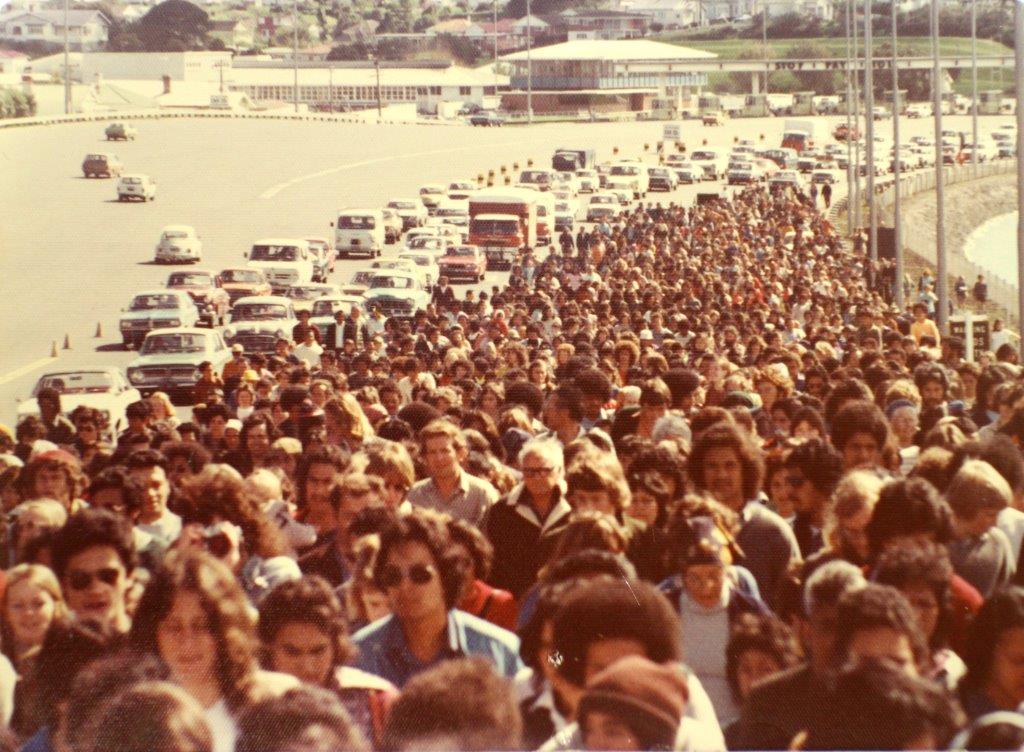
Billings’ thriving arts scene, known today for its eclectic theaters, galleries, and music venues, owes its roots to a cadre of dedicated local artists and organizers active since the 1970s. This resurgence in local history focus comes as the Billings Cultural Alliance prepares its first-ever comprehensive exhibit on the pioneers behind the city’s creative pulse, opening this fall at the Yellowstone Art Museum.
Why the History Matters Now
The spotlight on Billings’ cultural origins is timely amid rising investments in the arts sector. With more than $3 million allocated by the city council in its 2026 budget towards cultural programming and historic preservation, officials emphasize understanding the roots of the city’s artistic scene as key to future growth. The renaissance of downtown Billings over the past decade-with venues like Moss Mansion and the Alberta Bair Theater hosting national tours and local productions alike-underscores the enduring influence of those early community builders.
Furthermore, as Billings grapples with economic shifts in industries like energy and construction, city leaders view cultural heritage as a lever to boost tourism and community engagement. The story of local artists like Mary Lou Shepherd, who cofounded the First Friday Art Walk in 1982, and groups such as the Billings Little Theater, established in 1930 but revitalized in the '70s, reveals how civic and creative energy intersected to define the city’s identity.
Roots in Place: North Elevation and the Artblock
The North Elevation neighborhood, home to the now-iconic Artblock-a cluster of artist studios, galleries, and creative workshops-remains a living testament to Billings’ artistic forebears. In the early 1980s, when cheap industrial lofts in this part of the city attracted painters and sculptors, it sparked a cultural hub that has only expanded in footprint and influence.
The Yellowstone Art Museum on N. 27th Street, which opened its current building in 1984, was a direct beneficiary of artists’ advocacy for permanent exhibition spaces that celebrated local talent alongside national art. Its recent initiative to archive and digitize interviews with these founding figures will serve as a valuable public resource.
Additionally, community programs like the Billings Public Library’s Arts and Culture Series have incorporated oral histories and panel discussions with original scene makers, providing residents a chance to hear firsthand accounts of the city’s creative evolution.
Numbers That Tell the Story
Billings’ current creative economy contributes approximately $45 million annually, according to a 2025 report by the Montana Arts Council. This economic impact can be traced back to early grassroots efforts, many of which were underfunded but fuelled by volunteerism. The First Friday Art Walk now sees an average of 5,000 attendees monthly, a remarkable growth from the initial handful of local artists displaying on Main Street.
Investments like the $1.2 million renovation of the historic Grand Building in 2023, which converted old offices into studio spaces and galleries, exemplify the continuing materialisation of past visions into present realities. The average studio rental in Billings has risen from $400 to $600 per month over the past five years, highlighting both growth and challenges for emerging artists.
The cultural economy’s expansion also reflects demographic changes, with younger residents seeking community spaces that foster creative expression, underscoring the legacy of the city’s earlier arts advocates.
What’s Next for Billings’ Cultural Story?
The forthcoming exhibit at the Yellowstone Art Museum, running from September through December 2026, invites residents to engage with this pioneering history through photos, original artworks, and recorded interviews. It encourages the public to appreciate the foundation upon which contemporary Billings builds, highlighting the role of collaboration across decades.
For locals, this period marks a call to action: supporting policies that safeguard affordable studio spaces, backing grants for community arts programs, and taking part in storytelling to preserve the oral legacies of those who shaped the city’s creative landscape.
As Billings continues to mature as a cultural center, remembering and honoring its roots ensures a sustainable path forward, blending history with innovation to keep the city’s creative heart beating strong.