culture
Billings Reveals 5 Historic Venues Showcasing Its Iconic Railroad Heritage
From the Western Heritage Center to the Southside neighborhood, the Magic City offers a deep dive into its railroad-town roots and regional culture.
How we reported this
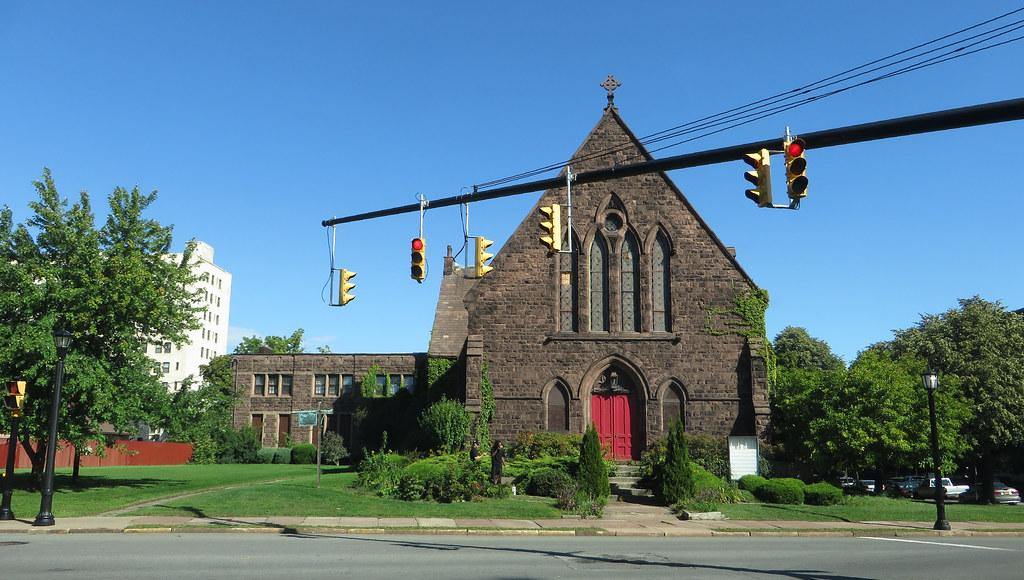
Billings, Montana’s largest city, was founded in March 1882 as a railroad town for the Northern Pacific Railway and named after the railway’s president, Frederick H. Billings, according to historical records cited by Visit Billings. The city quickly earned the nickname “Magic City” after expanding from just three buildings to a population of over 2,000 people in a few months. Today, Billings serves as a regional hub for eastern Montana and northern Wyoming, drawing visitors who want to explore its heritage.
What to See: Western Heritage Center and Local Museums
The Western Heritage Center, located in downtown Billings, hosts exhibits that cover the city’s early development, Yellowstone Valley culture, and the heritage of the Crow and Northern Cheyenne tribes, as noted by the Advisory Council on Historic Preservation and other sources. The center is a key stop for anyone curious about how the railroad transformed the region and how Indigenous communities have shaped the area. Visitors can also learn about the city’s rapid growth through objects and stories that trace Billings from a dusty rail camp to Montana’s primary metropolitan area.
Neighborhoods Worth Exploring: Southside and Beyond
Historically, the neighborhood south of the railroad tracks, known as the Southside, was home to diverse immigrant groups and an African American community that developed a unique character centered on family and religion, according to the Yellowstone County Historical Society. Walking the streets south of the tracks offers a glimpse into the working-class roots and multicultural fabric that helped define Billings. Other historic districts, listed on local landmark registers, provide further insight into the architectural and social history of the city.
Practical Advice for History Buffs
Because Billings lacks a precise, single-date founding festival, visitors should plan around the Western Heritage Center’s rotating exhibit schedule and check for public programs that often include talks on the railroad era and Native American heritage. The Yellowstone County Museum, near the airport, also offers exhibits on early settlement and ranching life. For those driving in, downtown Billings is walkable, with several historic markers placed along Montana Avenue and Broadway that detail the city’s founding and expansion. No specific admission fees are listed in the available sources, but many local historical programs are free or donation-based, making this an accessible trip for families and solo travelers alike.