lifestyle
Billings Home and Garden Tips: Honest Recommendations from Locals Who Live It Daily
Residents of Billings share practical advice to keep homes comfortable and gardens thriving through Montana’s unique seasons.
How we reported this
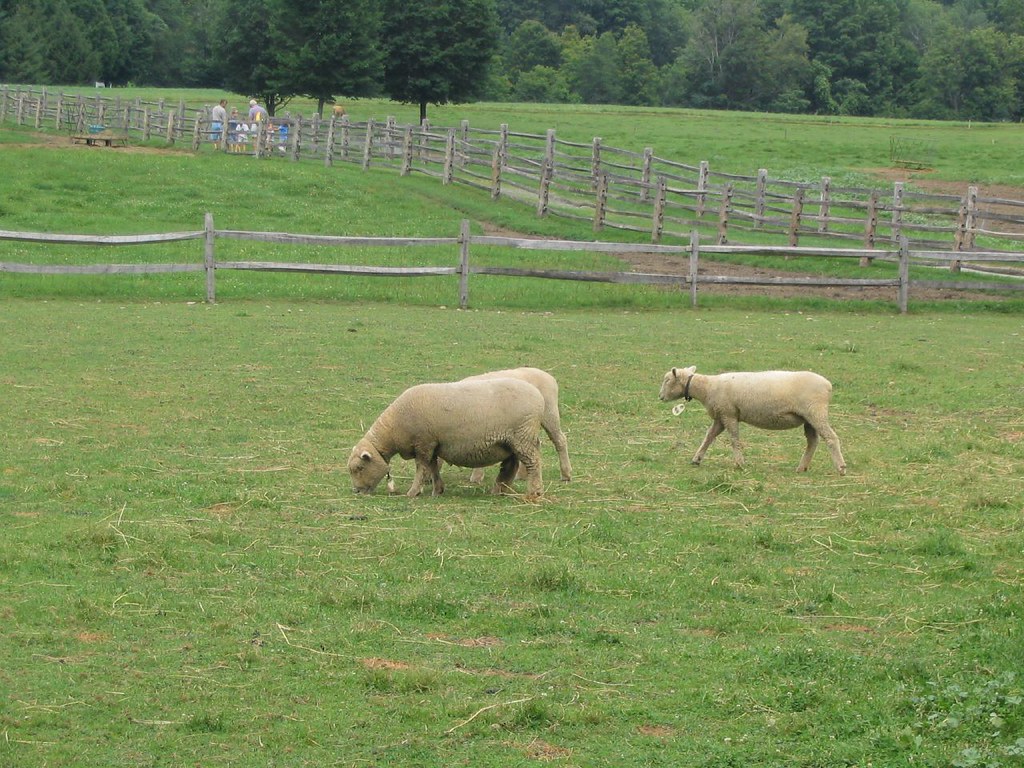
Billings homeowners and gardeners are turning to trusted local advice as they tackle challenges unique to the region, from harsh winters to summer droughts. The key to success, residents say, lies in practical, experience-based strategies tailored to Montana’s climate.
Why Local Advice Matters Now
Over the past five years, Billings has seen growing interest in home improvement and gardening, partly fueled by increasing summer temperatures and frequent dry spells. According to the Billings Chamber of Commerce, local hardware and garden stores reported a 15% sales increase in irrigation systems and drought-resistant plants between 2024 and 2026. At the same time, rising energy costs have residents rethinking heating and insulation methods. Locals say generic online advice often falls short against the reality of Billings’ cold snaps and windy conditions, pushing homeowners to seek counsel from neighbors who know what truly works here.
Insights from Billings Neighborhoods and Experts
In the West End, longtime residents swear by layering insulation with locally sourced sheep’s wool, which is available through the Montana Wool Growers Co-op on King Avenue West. The cooperative reports a 20% increase in wool insulation sales over the last two years. Meanwhile, gardeners near Rosebud Park highlight the success of native plants like Blue Flax and Wyoming Sage, which thrive with minimal watering. The Yellowstone County Extension Service on Montana Avenue regularly holds workshops on sustainable gardening tailored to Billings’ semi-arid environment, emphasizing soil preparation and moisture retention techniques.
Locally owned businesses like Gardener’s Edge on 3rd Avenue North offer personalized soil testing and plant recommendations that cater to neighborhood microclimates. Owner Kristin Fields mentions many customers prefer drip irrigation systems combined with rainwater harvesting to reduce water usage-practices that have become more accessible with local rebates through the Billings Water Conservation Program.
Backed by Data: What Residents Are Buying and Doing
The Billings Water Department data reveals that households participating in conservation programs have reduced water usage by an average of 18% since 2025. Sales figures from Home Hardware, located in the Heights, show a 25% rise in energy-efficient window installations in the past year alone, reflecting a growing concern about heating bills. Meanwhile, local nurseries report a shift toward perennials and drought-tolerant shrubs, with prices ranging from $15 for smaller native plants to upwards of $60 for mature specimens. These trends underscore a community adapting to environmental and economic pressures with practical, cost-effective solutions.
With state incentives supporting energy improvements and an active network of community workshops, Billings residents have more resources than ever to make informed choices for their homes and gardens. Those planning renovations or planting projects are encouraged to attend the upcoming Sustainable Living Fair at the Moss Mansion on July 25, where local experts will share demonstrations and advice.
For homeowners and gardeners looking to get started, the simplest step is connecting with neighborhood associations, such as the South Billings Community Coalition, which frequently hosts meetups and shares localized tips. Whether upgrading insulation or selecting the right plants, Billings residents agree that success comes from learning directly from those who live with the city’s conditions every day.