lifestyle
Sustainable Living in Billings: The Cost, Access, and Everything You Need to Know Before Getting Started
Explore practical sustainable living tips tailored for Billings residents, including costs, local resources, and how to begin your eco-friendly journey.
How we reported this
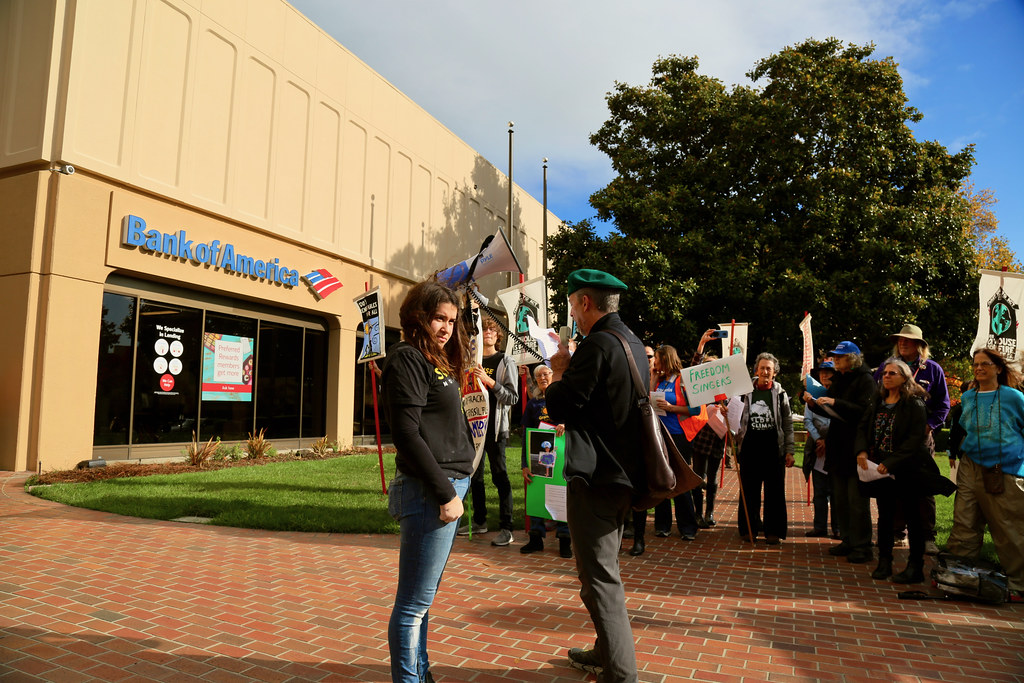
Sustainable living is gaining traction across Billings, with increasing numbers of residents seeking ways to reduce their environmental impact. However, questions about the cost and accessibility of sustainable options remain top of mind for many. This guide breaks down what it takes to adopt sustainable habits in Billings, how much it costs, and where to find local support.
Interest in sustainable practices has surged following the city’s 2026 Climate Action Plan announcement last spring, which set ambitious targets to reduce carbon emissions 40% by 2035. Residents are motivated by both environmental concerns and modest financial incentives introduced by the Billings Energy Efficiency Program, yet affordability and understanding the practical steps remain barriers for many households.
Local Programs and Resources Supporting Sustainability
Billings offers several initiatives to ease the transition to sustainable living. The Yellowstone Valley Organic Cooperative on 4th Avenue Northwest has expanded its bulk food section to encourage zero-waste shopping, offering discounts on staples like grains, nuts, and spices when brought in reusable containers. Meanwhile, the TerraCycle Recycling Hub on South 27th Street accepts hard-to-recycle items such as coffee pods and cosmetic packaging, helping reduce landfill waste.
On the public transport front, MET Transit recently increased the frequency of buses running Electric Avenue between downtown Billings and the Southgate Mall area. This zero-emission route supports commuters trying to skip gas-powered vehicles. Monthly passes have been maintained at $42, helping keep sustainable transportation cost-competitive for working residents.
Costs and Considerations Before Going Green
While some sustainable choices save money over time, upfront investments can be significant. Home solar panel installations through local company Big Sky Solar range from $12,000 to $22,000, though federal tax credits reduce net costs by approximately 30%. For renters, the costs of solar might be prohibitive, making programs like the Billings Community Garden on Seattle Avenue a more accessible way to grow food sustainably and organically for roughly $50 per growing season in plot fees.
Data from the Montana Department of Environmental Quality indicates that the average monthly utility bill in Billings drops by 15% for households that implement energy efficiency upgrades such as LED lighting, smart thermostats, and better insulation-changes often eligible for rebates from NorthWestern Energy. However, awareness of these rebates remains uneven, highlighting the need for better outreach tailored to Billings neighborhoods like the Heights and Downtown Core.
Choosing sustainably sourced products can also be pricier. Organic produce at Billings’ Saturday Market typically costs 10-20% more than conventional options from major supermarket chains like Albertsons or Safeway on Rimrock Road. Still, many shoppers consider this a worthwhile investment for health and local economy benefits.
Before diving into sustainable living, residents should evaluate their individual situation, including budget, access to programs, and lifestyle. Consulting with organizations like the Billings Sustainability Coalition or attending workshops at the Yellowstone Art Museum on 2nd Street can clarify which changes make the most sense and provide ongoing community support.
For those ready to start, the first steps might include switching to LED bulbs, exploring MET Transit bus routes, or joining the Billings Community Garden. Each small move contributes toward the city’s overall environmental goals and can lead to personal cost savings and improved quality of life.