news
Decades of Development Created Billings' Traffic Crisis Today
A closer look at the local policies, growth, and infrastructure choices that led Billings to its current transport crunch.
How we reported this
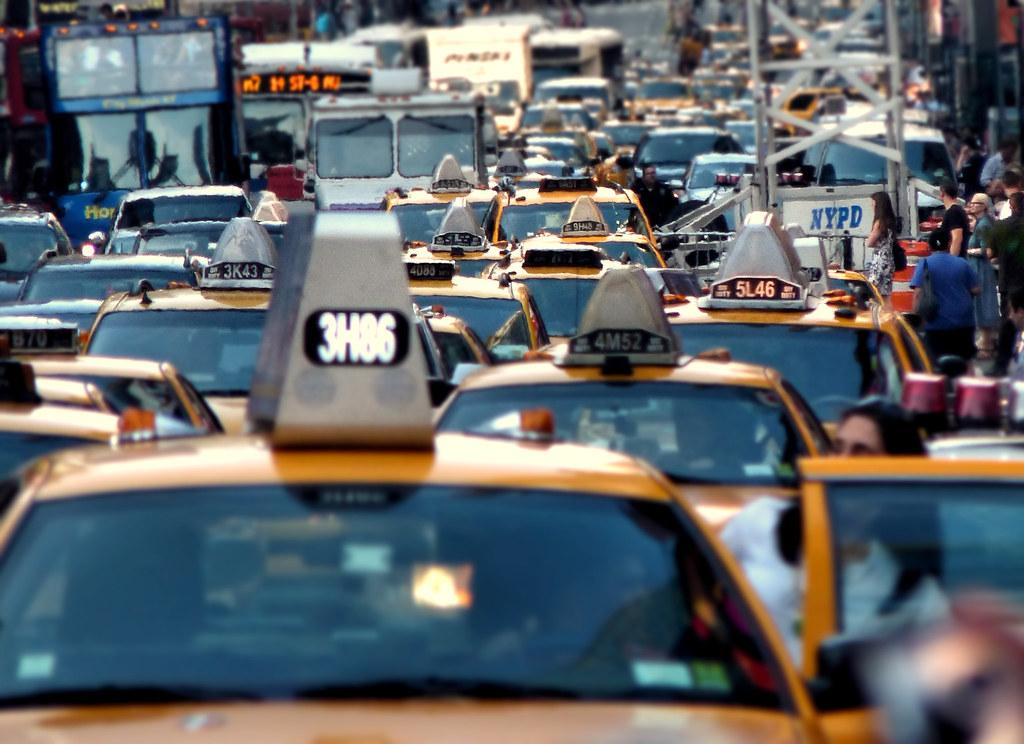
Billings residents are facing longer daily commutes and heavier traffic on key arteries like King Avenue West and Broadwater Avenue, a situation rooted in decades of urban development and transportation planning decisions.
Historical Growth Meets Infrastructure Limits
As Billings expanded rapidly from the 1980s onward, the city prioritized suburban housing projects and commercial zones on the outskirts, drawing more residents but outpacing the city’s transportation infrastructure. The surge in population and vehicle ownership was not matched by sufficient roads or public transit capacity, leading to mounting congestion.
The issue has become particularly pressing amid recent construction delays on the Inner Belt Loop and setbacks in expanding MET Transit services. These developments put pressure on the already strained thoroughfares, making daily travel times noticeably longer for Billings commuters.
Local Factors Driving Traffic Delays
Broadwater Avenue, serving as a major connector between the downtown core near the Yellowstone Art Museum and residential neighborhoods like Southgate, now experiences peak hour backups extending up to 30 minutes, according to data from the Billings Metropolitan Planning Organization (BMPO). Meanwhile, the intersection at King Avenue West and 32nd Street has become a bottleneck, partly due to the high volume of trucks serving the nearby industrial zones such as Catalyst Paper and Rims Up Auto Parts.
The City of Billings' 2015 Growth Policy laid out ambitious plans for road widening and transit improvements, but funding gaps delayed key projects, including the King Avenue corridor expansion that was slated to begin in 2023 but remains unfinished. The BMPO reports that since 2010, Billings' population rose by 14%, but the expansion of road lane miles grew by only 6%, underscoring stretched infrastructure.
Furthermore, MET Transit, the primary public transportation provider, currently operates 12 routes, most of which service central Billings but offer limited options in sprawling new suburbs like Lockwood. Ridership increased by only 2% in the past two years, affected by irregular service hours and fewer route options, pushing more residents toward car dependency.
Average daily vehicle traffic on King Avenue West has climbed 20% since 2015, straining intersections and leading to a 12% increase in traffic accidents in the same corridor, according to Montana Department of Transportation (MDT) statistics. Commuters now report paying $75 to $100 monthly in extra fuel and maintenance costs due to congestion-related delays.
Looking Forward: Solutions and What Commuters Can Expect
The city council, along with the BMPO, is revisiting transit plans with a focus on bus rapid transit (BRT) options and promoting ride-sharing programs aimed at reducing single-occupancy vehicles. Construction of the Inner Belt Loop’s northern segment is scheduled to resume late 2026, which officials hope will relieve some pressure on King Avenue West.
Commuters are advised to monitor live traffic updates available via the city's new TrafficWise Billings app, which provides real-time congestion alerts and alternative route suggestions. Meanwhile, MET Transit announced pilot programs this fall to extend service hours on weekends and add limited routes to neighborhoods like Yellowstone Kelly Park.
Though Billings’ traffic woes stem from historical growth and planning challenges, coordinated efforts and targeted improvements could ease congestion over the next decade, provided funding and community support align.