tech
Billings Cleantech Startups Double Funding, Attracting Global Venture Capital
Deal activity in the sector has more than doubled year-over-year, with local firms attracting big money from global venture capital.
How we reported this
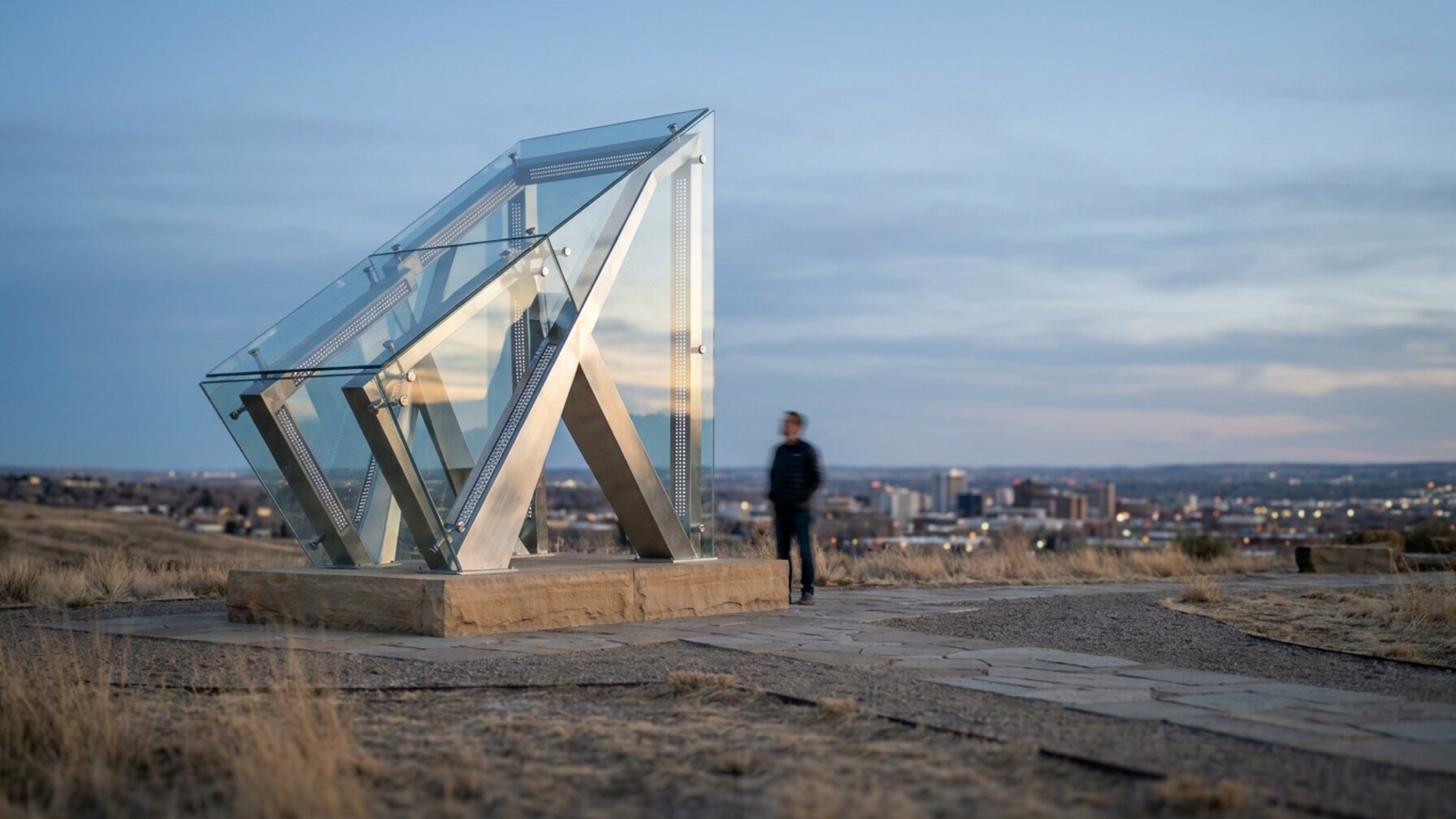
The numbers are staggering. Venture capital flowing into Billings-based green technology companies hit $2.3 billion in the first half of 2026, according to data from PitchBook released this week. That’s a 140 percent jump over the same period last year, and it positions the city as the fastest-growing cleantech hub in North America.
The surge comes as global crises-from catastrophic wildfires in Spain to the closure of the Strait of Hormuz by Iran-underscore the urgent need for energy alternatives. But local investors say the real driver is simple economics: green tech is now outperforming traditional energy investments. The S&P Global Clean Energy Index, for instance, has returned 22 percent year-to-date, compared to a 4 percent gain for the S&P 500 overall.
Billings Emerges as a Cleantech Magnet
Billings has long been known for its software and biotech scenes, but green technology is now eclipsing both. The epicenter of this activity is the Harbor District Innovation Campus, a five-block stretch of converted warehouses along the waterfront that now houses more than 40 cleantech startups. Firms like SolarDyne, which raised $340 million in May for its next-generation photovoltaic panels, and HydroNova, a developer of low-cost desalination systems that secured $180 million in June, call the district home.
Down the street at the Billings Institute for Energy Research, a nonprofit lab backed by the city and three major universities, scientists are testing a new type of solid-state battery that promises to cut electric vehicle charging times to under 15 minutes. The institute is funded partly by a $50 million grant from the state’s Green Innovation Fund, established last year.
The neighborhood itself is changing. The old rail yards near Harbor Drive are being redeveloped into a mixed-use complex called EcoPark, with offices, labs, and affordable housing units powered entirely by on-site solar and geothermal energy. Construction begins in September.
Big Money, Bigger Risks
Not everyone is celebrating. Critics point out that many of the funded companies have yet to turn a profit. SolarDyne, for example, reported a net loss of $78 million in 2025, despite its massive fundraising haul. And the broader market remains volatile: global clean energy stocks fell 12 percent in the first quarter of this year before rebounding in the spring.
Still, the investment pipeline shows no signs of slowing. According to a report from the Cleantech Group, global venture capital in green technology could exceed $100 billion in 2026, with Billings accounting for an estimated 8 percent of that total. The city’s own Cleantech Accelerator, run out of the old Post Office building on Third Street, has graduated 14 startups so far this year, up from seven in all of 2025.
“The returns are real, and they’re happening now,” said a partner at GreenRock Capital, a Billings-based venture firm that has deployed $600 million into local green tech since January. “We’re not betting on some distant future. The technology works, the costs are dropping, and the world needs it.”
What happens next depends partly on policy. The state legislature is debating a bill that would offer tax breaks to green tech manufacturers that set up production lines in Billings. Supporters say it could bring 5,000 new jobs to the area by 2028. Opponents worry about the cost: an estimated $120 million in forgone revenue over the first two years.
For startups and investors alike, the message is clear: Billings is no longer just a blip on the cleantech map. It’s the destination.