Technology
Billings Deploys Open-Source Sensor Network, Outpacing Global Smart Cities
Community-built code for traffic and power systems sets the city apart from top-down networks in places like Singapore and Barcelona.
How we reported this
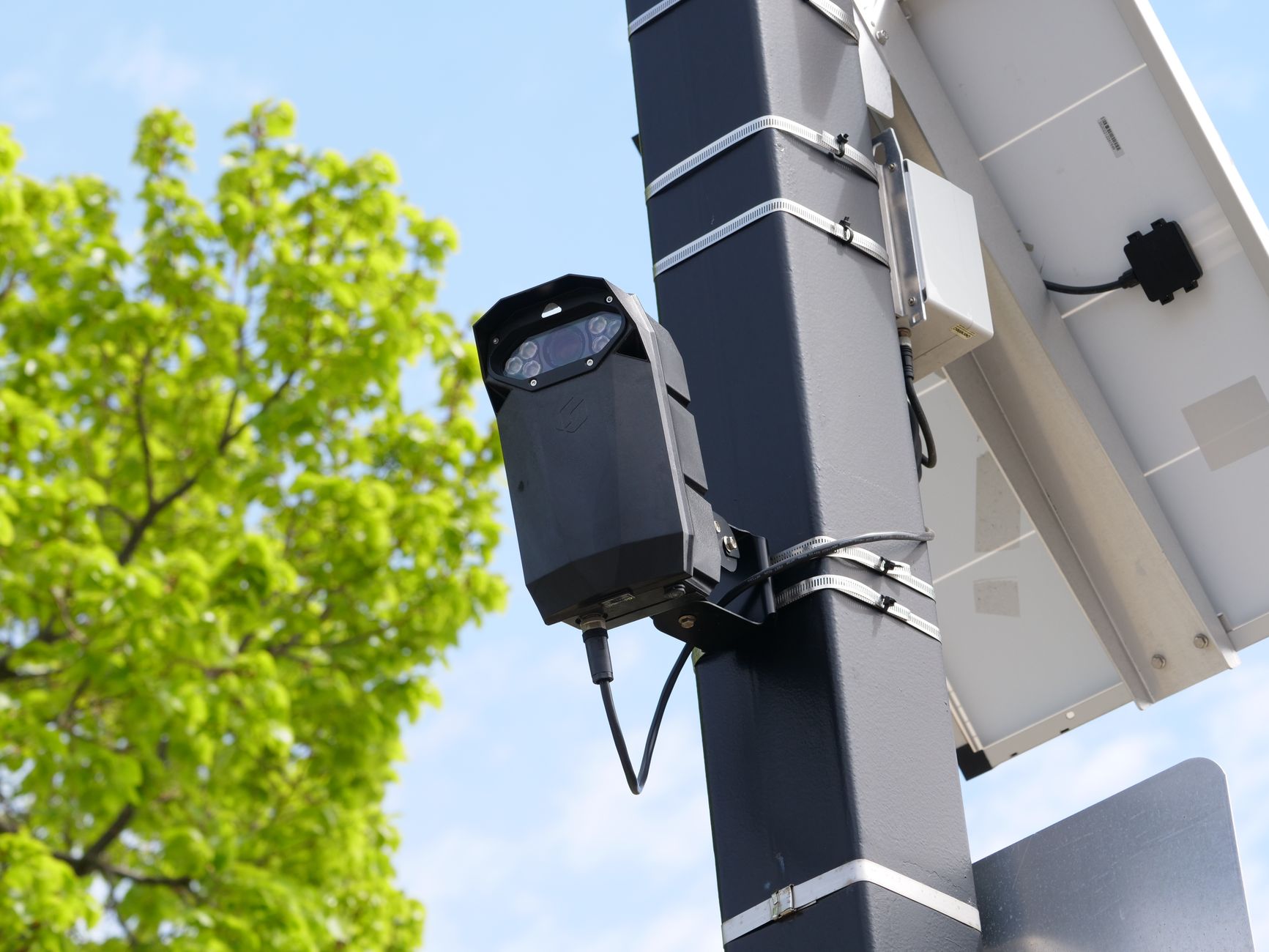
Billings rolled out its resident-editable sensor network on July 8, letting coders tweak traffic lights and power meters in real time through a public GitHub repository.
The timing aligns with worldwide pressure on cities to cut reliance on foreign hardware after supply disruptions tied to the Strait of Hormuz clashes. Local leaders say the open approach avoids vendor lock-in that has slowed upgrades in other U.S. metros.
Local Hubs Driving the Work
Developers meet weekly at the Billings Innovation Lab on 1st Avenue North, where they test code against live feeds from traffic cameras. A second team works out of the Rimrock Data Center on Grand Avenue, focusing on energy data pulled from wind turbines feeding the downtown grid.
Both sites feed into a single dashboard that residents can query from any browser. City records show the lab opened in March 2025 with a $2.8 million allocation from the general fund.
Numbers Behind the Rollout
The network now covers 12,400 devices across 47 square miles, according to the July 2026 progress report posted on the city website. Average morning commute times on 27th Street dropped 14 percent between January and June. Annual maintenance costs sit at $1.1 million, roughly half the figure quoted for comparable closed systems in Denver.
City planners expect the same code base to handle new flood sensors along the Yellowstone River by October. Residents who want to test changes can sign up for the next code sprint at the Innovation Lab on the first Tuesday of each month.